
Beyond the Portfolio: What You Need to Know for a Job Interview at a Creative Agency
By Sophia Alcaraz, Digital Content & PR Specialist at Vitalstrats Creative Solutions (VCS)
Key Insights from VCS’s CIIT Mock Interviews
Strong portfolios alone are not enough during creative interviews.
Candidates who researched the agency stood out more consistently.
Rehearsed answers often weakened otherwise strong applicants.
Interviewers responded best to candidates who could explain the reasoning behind their work.
Employers evaluated communication, collaboration, and role understanding alongside technical skill.
A polished portfolio can help creative students land an interview, but during mock interview sessions held with Senior High School students from the College of Arts and Technology (CIIT) on March 19, 2026, VCS interviewers found that portfolios alone were rarely what made candidates stand out.
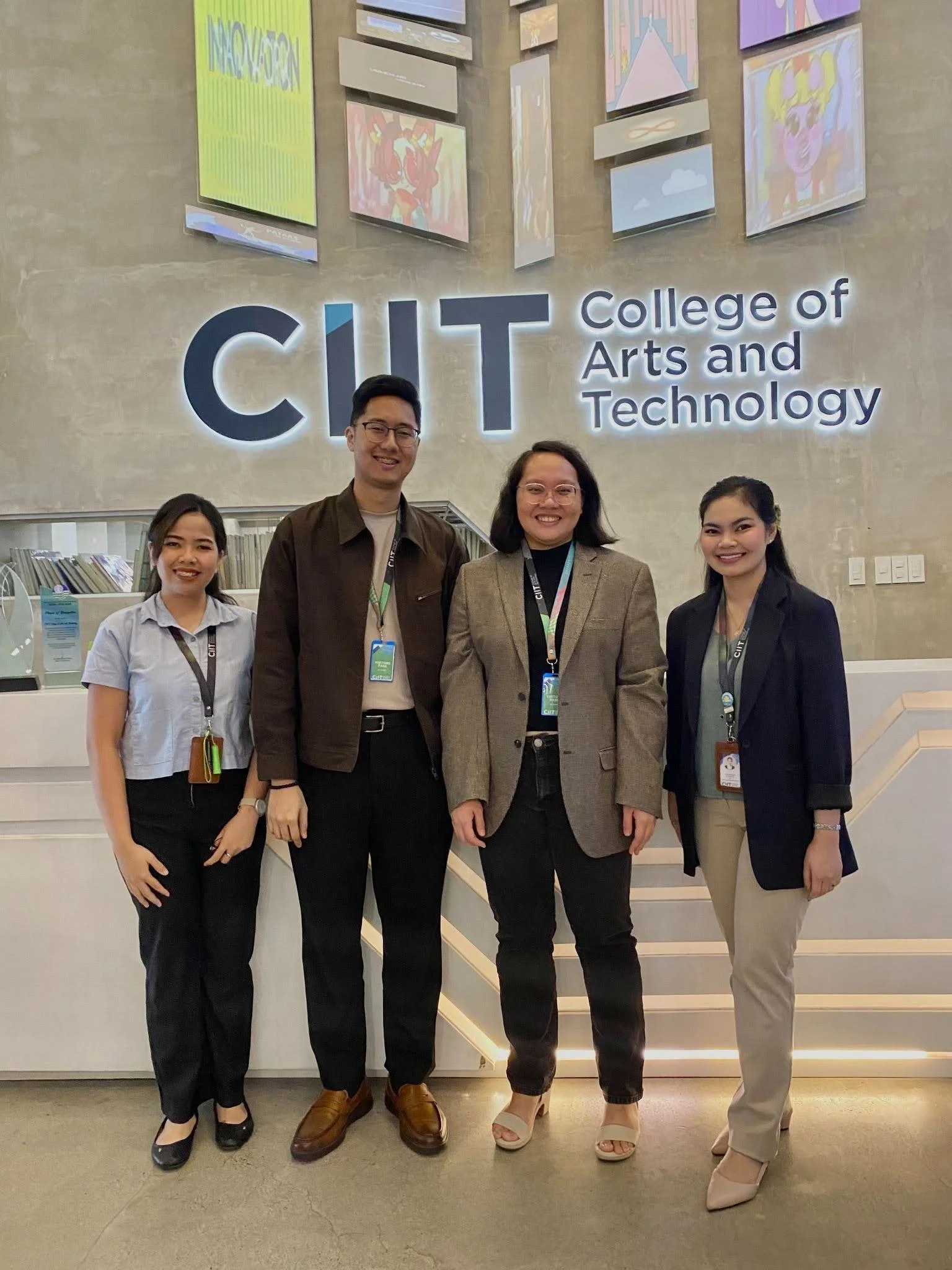
Jay Quilanita & Kat Torrefranca with CIIT Placement Office Representatives
According to VCS Creative Strategy Director Kat Torrefranca and Art Director Jay Quilanita, students who researched the agency, explained the thinking behind their work, and communicated naturally during conversations consistently left stronger impressions than applicants relying solely on polished creative outputs.
While many CIIT students demonstrated strong technical ability, the sessions reflected a broader hiring reality within creative agencies: employers evaluate communication, collaboration, self-awareness, and strategic thinking alongside technical skill.
How Should Creative Students Prepare for Agency Interviews?
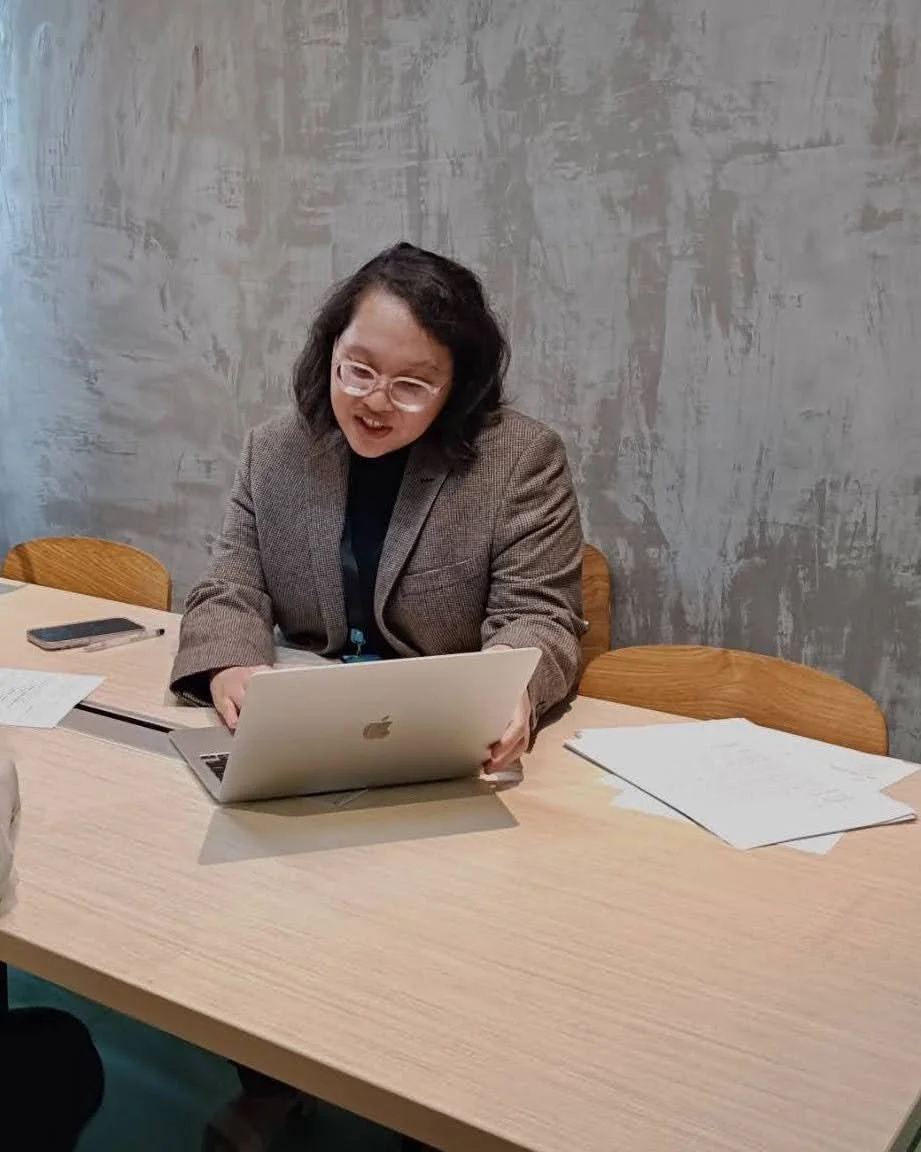
Kat Torrefranca reviews a student’s portfolio and creative work.
Preparation consistently affected the quality of the interviews. Kat observed that students who researched VCS beforehand were able to engage in deeper and more natural conversations because they already understood the agency’s work and direction.
"Many had done their research on VCS, could speak to what we do and what we stand for, and that level of intentionality made the conversations richer and more genuine than I expected."
Candidates who referenced the agency’s clients, projects, or creative direction were often better at connecting their own work to actual industry needs instead of speaking only in broad creative terms. Rather than simply presenting portfolio pieces, they could explain why their skills and experiences were relevant to the role they were applying for.
For students preparing for agency interviews, research extends beyond browsing a company website. Candidates who referenced VCS campaigns, industries, or creative direction were consistently able to connect their portfolio work to real agency needs during the CIIT sessions. According to LinkedIn’s 2025 Global Talent Trends report, employers increasingly value candidates who demonstrate contextual understanding and communication skills alongside technical ability.
Why Do Rehearsed Interview Answers Hurt Creative Candidates?
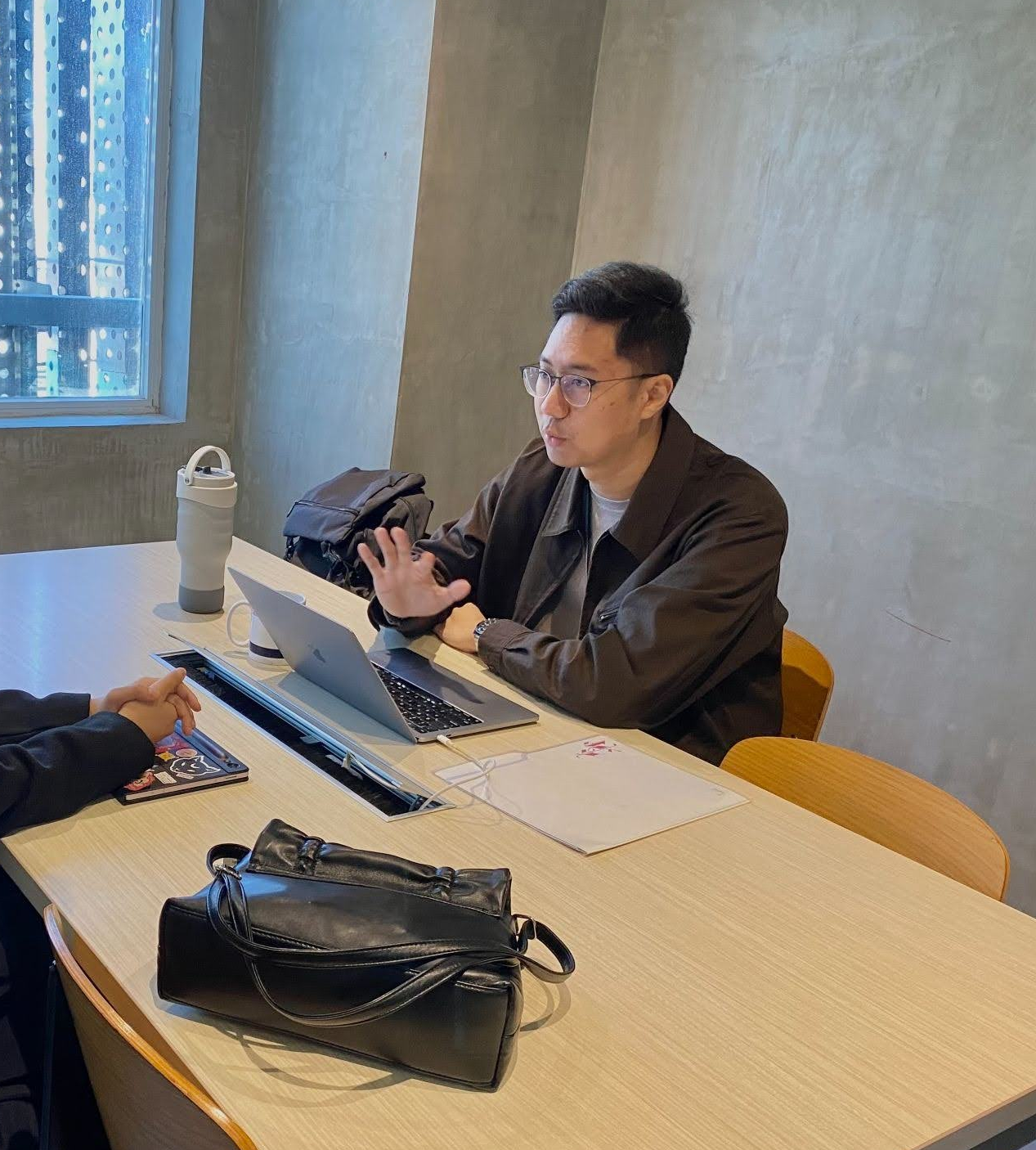
Jay Quilanita shares professional feedback with a student.
One of the most common challenges during the mock interviews was balancing professionalism with authenticity. According to LinkedIn’s Global Talent Trends research, communication and interpersonal skills consistently rank among the most valued qualities employers look for beyond technical ability. During the sessions, some students became overly focused on giving the “correct” answer, which sometimes made their responses feel stiff or over-rehearsed.
Jay observed that candidates often communicated more naturally once they moved away from memorized responses and began discussing projects they genuinely cared about.
“Not everyone was able to express their answers in a way that feels natural. Some of them felt rehearsed. They end up stuttering a lot and finding it hard to make the conversation feel genuine.”
During the mock interviews, VCS interviewers evaluated more than technical execution alone. Kat Torrefranca and Jay Quilanita also assessed whether candidates could explain creative decisions clearly, respond naturally to feedback, and communicate comfortably in collaborative discussions.
The National Association of Colleges and Employers (NACE) identifies communication and teamwork among the most important career readiness competencies for entry-level hiring. In creative industries especially, interviews often reveal how a candidate thinks through problems, handles feedback, and collaborates with others.
Students also tended to become more confident when discussing projects they were personally invested in. Explaining difficult creative decisions, production challenges, or revisions often led to more engaging conversations because the answers came from direct experience rather than memorized scripts.
Why Do Interviewers Want Candidates to Explain Their Creative Decisions?
A strong portfolio may help candidates enter the room, but interviewers also want to understand the thinking behind the work itself. During the CIIT sessions, Kat and Jay noticed that many students were highly familiar with their own backgrounds and projects but less prepared to discuss the actual role they were applying for.
Jay noted that candidates often spent significant time preparing portfolio walkthroughs while overlooking the responsibilities and expectations tied to the position itself.
“When an applicant understands why they're there, the employer will have the sense that you did your homework well. Most candidates over-prepare by reviewing their backgrounds but forget to do their research about the role itself.”
For Kat, the strongest interviews happened when candidates could connect their creative decisions to the agency’s goals and values rather than simply describing what they made.
"Knowing your own portfolio is expected. But walking in with a genuine understanding of the company's values and being able to connect your work to that shows a different level of intentionality. It signals that you're there for a reason."
VCS interviewers repeatedly observed a distinction between candidates who could only describe finished outputs and those who could explain the reasoning behind them. During the CIIT sessions, stronger applicants articulated both the “What” (the final work itself) and the “Why” (the strategic, creative, or production decisions that shaped the project).
Candidates who could explain why they approached a project a certain way, how they solved a creative problem, or what they learned from revisions often left stronger impressions than those who focused only on showcasing finished outputs.
What Makes Creative Students Stand Out in Agency Interviews?
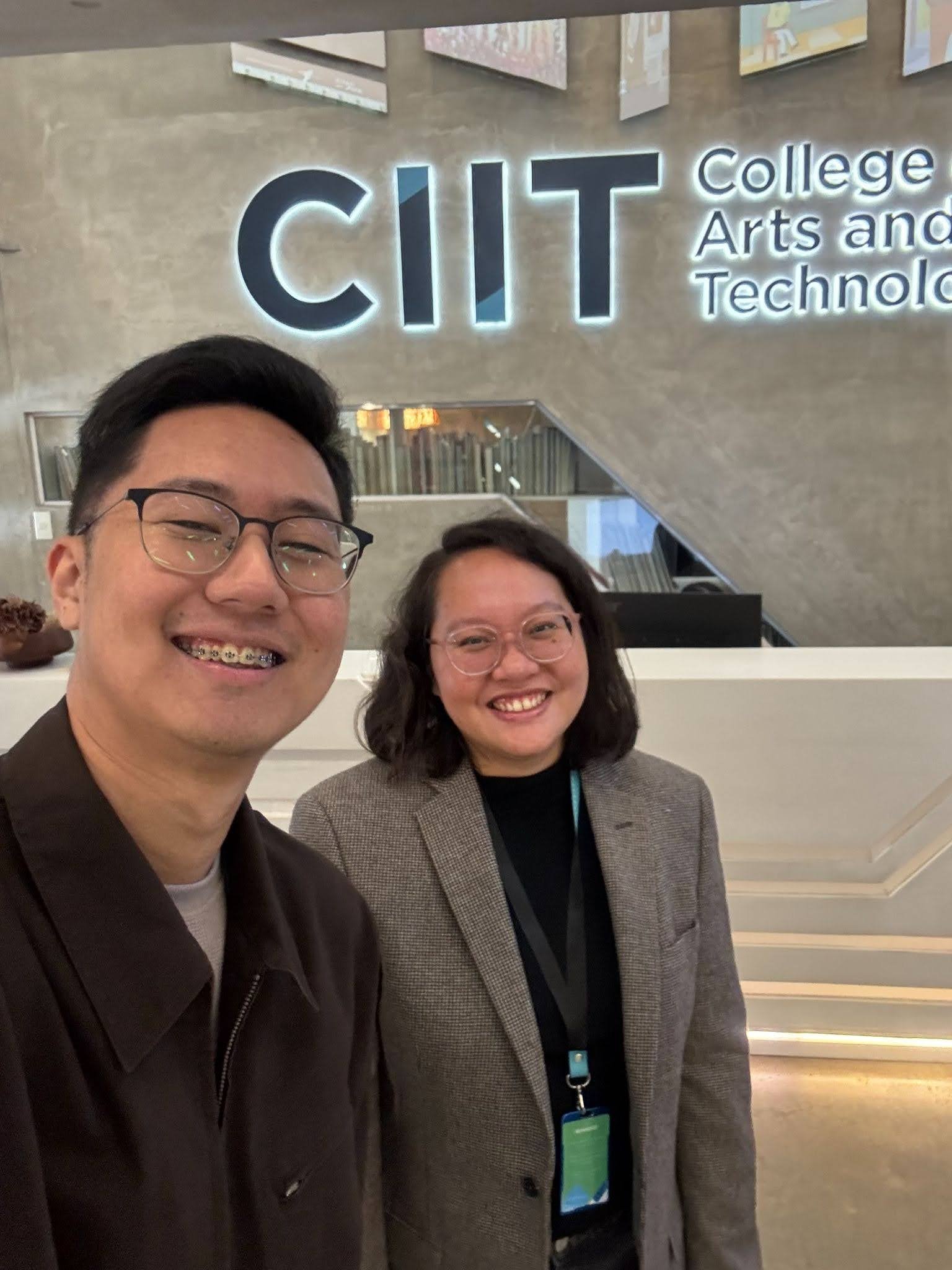
Jay and Kat ready to meet the next generation of creative talent at CIIT.
The creative industry continues to make space for emerging talent, especially for students willing to step into professional environments early and learn from feedback. What Kat and Jay observed during the CIIT mock interviews was encouraging: many students already demonstrated strong creative potential and a willingness to put their work forward.
More often than not, the gap was not in the quality of the work itself, but in how candidates communicated it. A portfolio gets you in the door. But knowing your work, understanding the role, and showing up as yourself is what makes the conversation worth having.
That's true whether it's a mock interview or the real thing.
References
LinkedIn. (2025). Global Talent Trends. https://business.linkedin.com/hire/global-talent-trends
LinkedIn. (2025). Communication reigns supreme as the most in-demand skill worldwide. https://www.linkedin.com/pulse/mastering-1-skill-why-communication-leads-global-job-market-nicolas-s09ff
National Association of Colleges and Employers (NACE). Career Readiness Competencies. https://psychology.arizona.edu/wiki/career-readiness
✨ Build future-ready creative systems with us: https://vitalstrats.ph/contact-us
📲 Follow our work and insights across platforms:
Facebook: facebook.com/vitalstrats
LinkedIn: linkedin.com/company/vitalstrats-creative-solutions
Instagram: instagram.com/vitalstrats
X: x.com/Vitalstrats
YOU MAY ALSO LIKE
Vitalstrats Creative Solutions (VCS) is a creative agency based in Quezon City, Philippines. VCS specializes in content marketing, advertising, and video production. We use strategic creativity to help our clients grow their brands.
Facebook: https://www.facebook.com/vitalstrats
Instagram: https://www.instagram.com/vitalstrats
Twitter: https://twitter.com/Vitalstrats
Agency Reel: http://bit.ly/VCSReel2019