
From Alignment to Execution: Why Creative Agencies Need a Better Operating System
Written by: Sophia Alcaraz, Digital Content and PR
Key Takeaways
Creative agencies consistently lose output quality when delivery depends on individuals rather than systems.
Alignment (shared direction) and execution (consistent delivery) are separate problems that require separate solutions.
Vitalstrats Creative Solutions (VCS) identified four elements required for repeatable creative quality: clear inputs, defined workflows, shared quality standards, and feedback loops.
Together, these form the VCS Creative Operating System—a framework for making agency output consistent and scalable.
Agencies that build operational capability alongside creative talent are better positioned to compete on value rather than price.
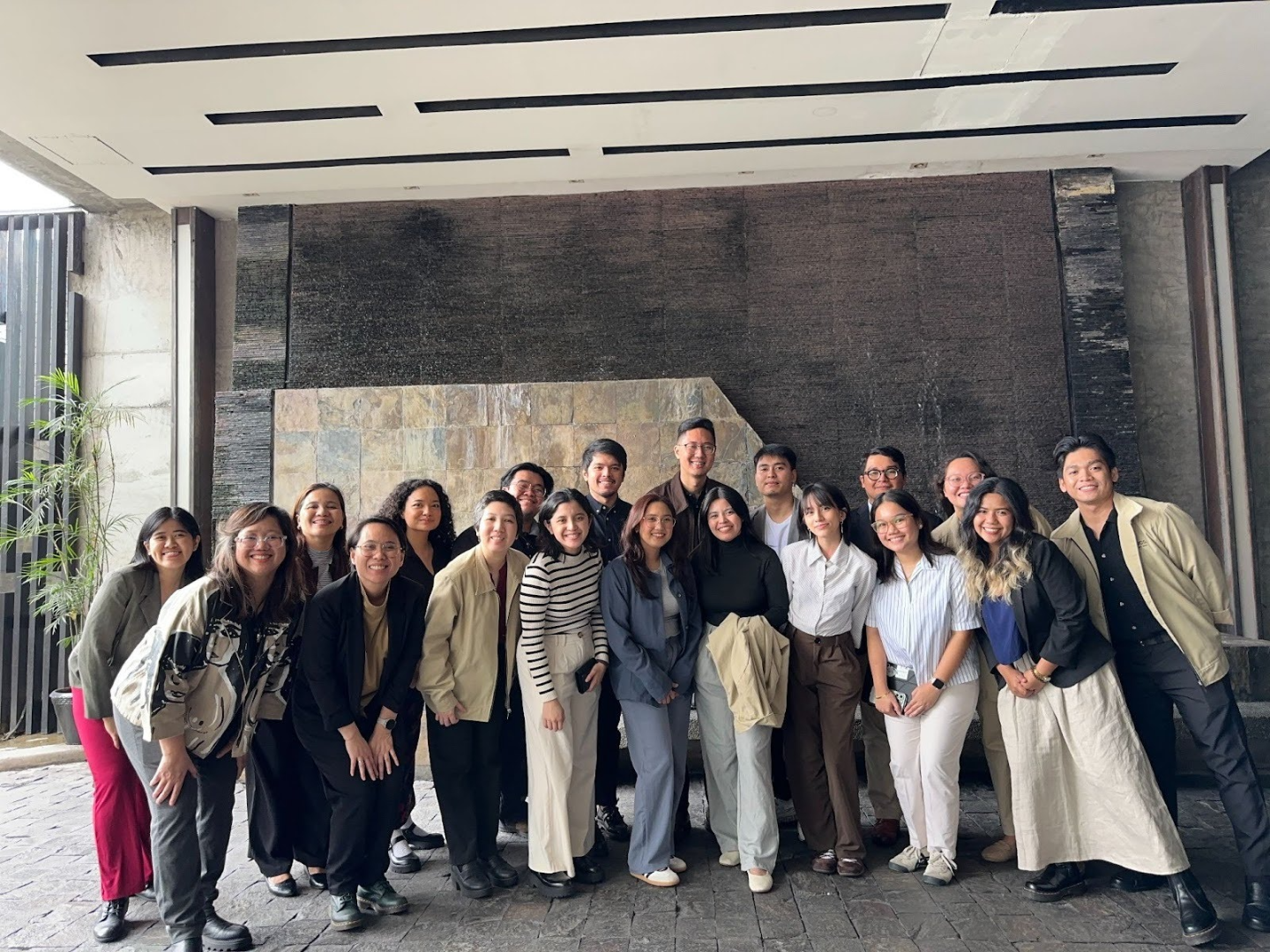
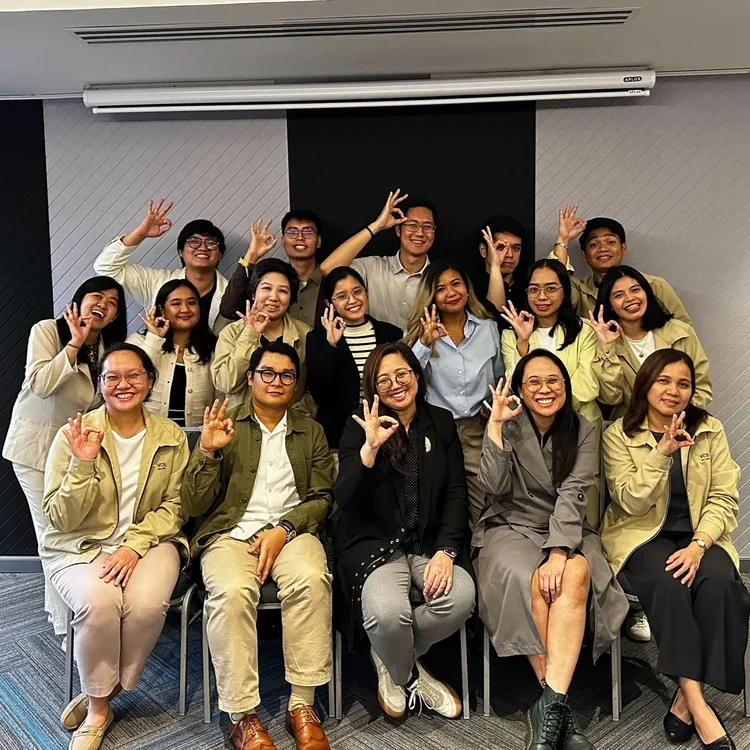
#TeamVCS at the B Hotel for the 1st townhall of the year.
The most common reason creative agencies underdeliver has less to do with talent than with the absence of systems that make quality repeatable.
At Vitalstrats Creative Solutions (VCS), our first full-team Townhall of 2026 surfaced a clear finding: our best work was already there. What we were still building was the infrastructure to deliver it consistently across every project, regardless of who was assigned.
This article breaks down what we learned, the four-part VCS Creative Operating System we're building toward, and why organizational capability has become the defining competitive question for agencies in 2026.
Why Do Creative Agencies Struggle With Consistent Delivery?
Output has become faster and more accessible across the industry, yet a persistent frustration appears in agencies of all sizes: outcome quality still depends on who's handling the project, not on how the organization is designed to work.
According to FunctionFox's 2025 Creative Industry Report, 79% of agencies reported over-servicing clients — a symptom of delivery infrastructure that hasn't kept pace with production speed. A separate study found that 68% of clients who left their agency cited a lack of proactive strategic guidance as the primary reason—not price, not creative quality. The work was there. The systems to deliver it consistently were not.
If outcomes are tied to specific people rather than to the way an organization works, you don’t have a high-performing agency. You have a collection of capable individuals operating without infrastructure.
The default response is alignment: more workshops, better kickoffs, clearer briefs, shared direction. These are real investments. But alignment creates shared understanding. Shared execution is a separate problem entirely.
There is a gap between a team that agrees on where it’s going and a team that consistently gets there. Investing in alignment without addressing execution produces predictable results: clear intent, inconsistent output, strong ideas, uneven delivery.
How VCS Turned Insight Into Action
This became the central thread of our first Townhall of 2026. Rather than treating the day as a simple alignment exercise, we used it to surface how our agency actually works — where strengths lie, where execution still depends on individual judgment, and what needs to become more intentional for great work to be repeatable.
What VCS Learned About Execution at Its 2026 Townhall
The Townhall consisted of a series of exercises designed to uncover what VCS does well, what must remain intact, and what needs to evolve to make our work more consistent, scalable, and intentional.
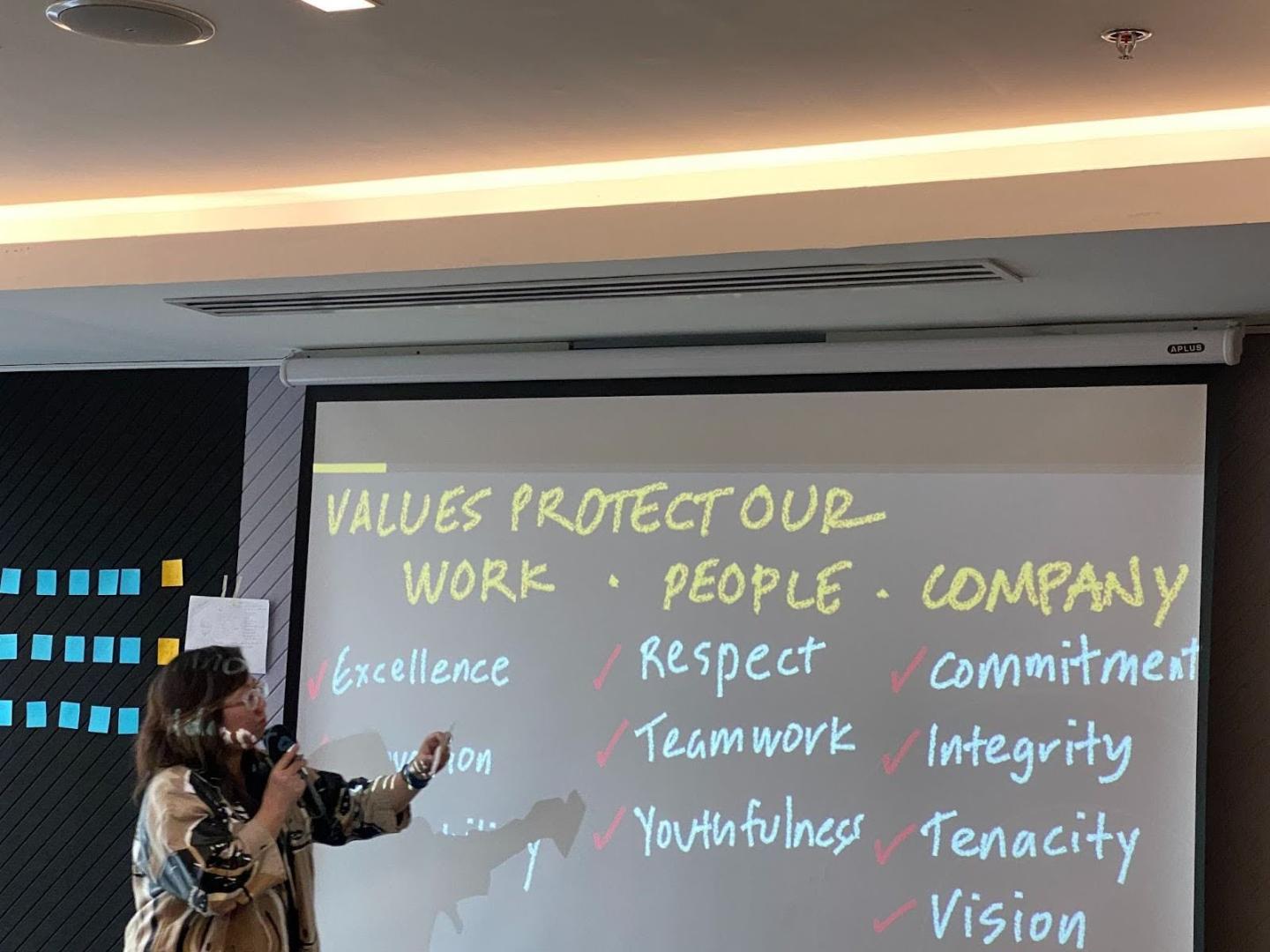
What VCS aims to preserve.
In a reflective breakout session, teams answered three guiding questions: what are we proud of, what must we protect, and what should we explore? Across groups, common themes emerged: adaptability as a core strength, values as non-negotiable foundations, and AI integration as the next frontier. The exercise grounded the team in who we are today while clarifying how we evolve for tomorrow.
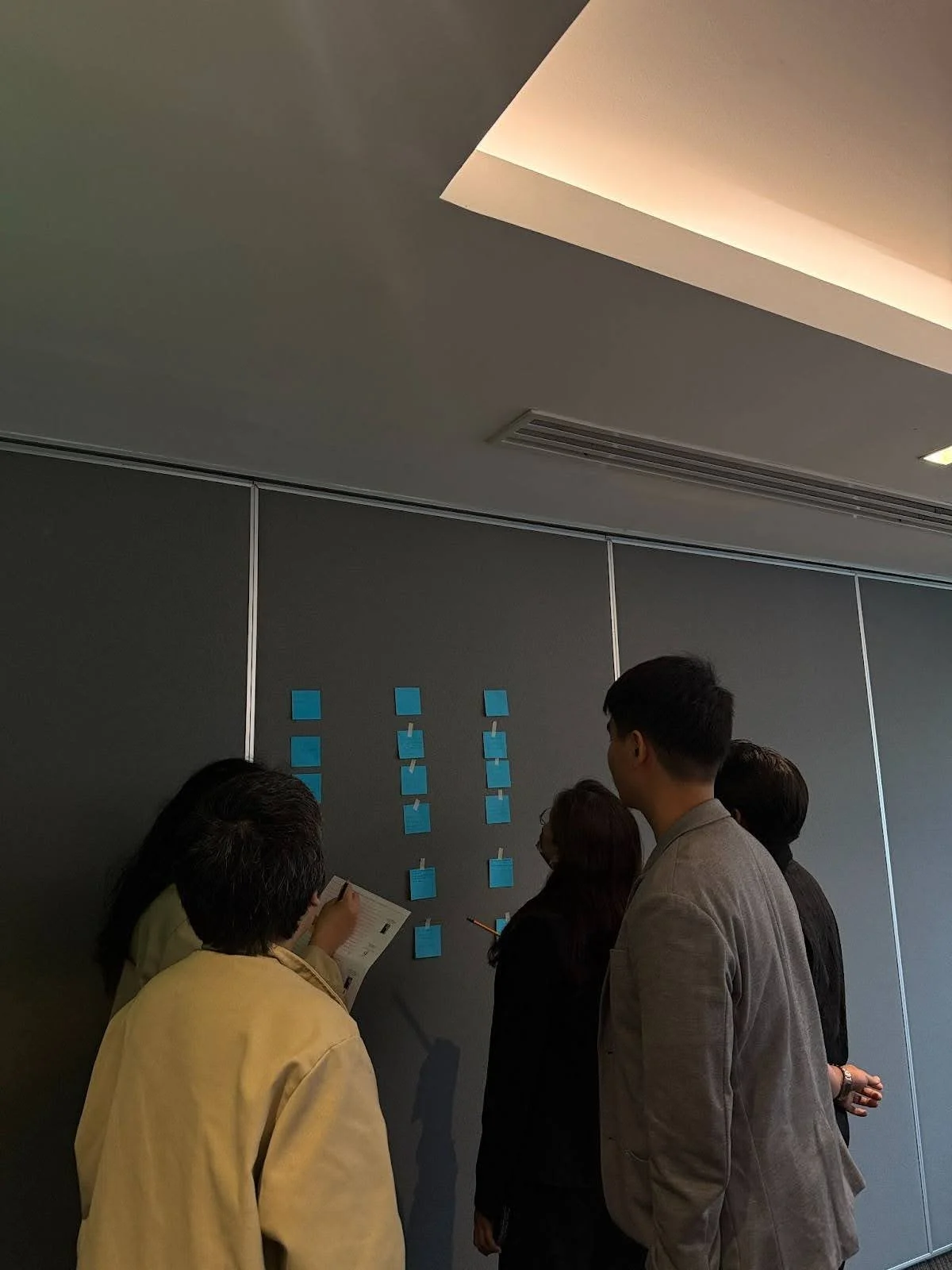
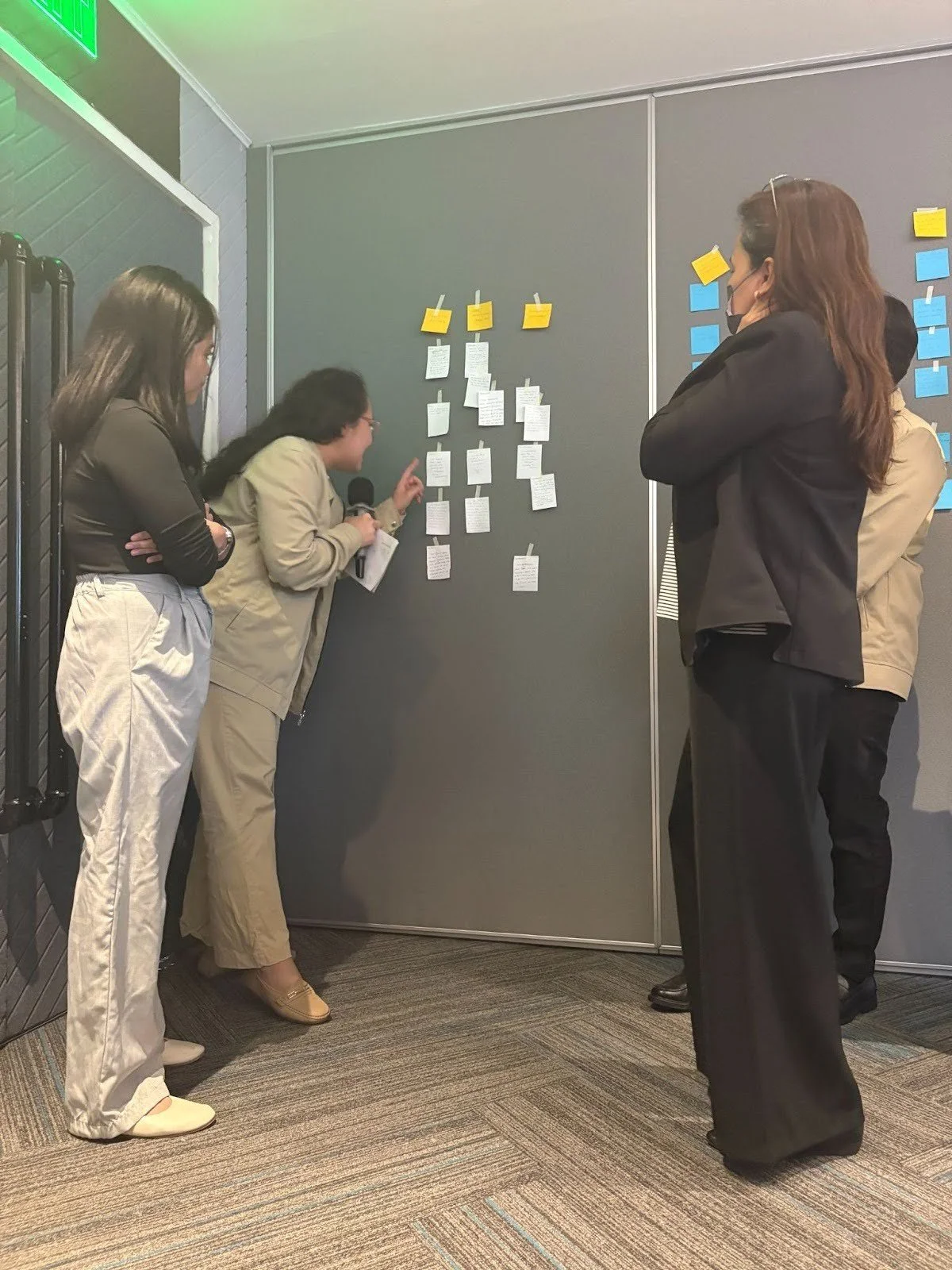
#TeamVCS presents what we’re proud of, what we protect, and where we grow.
What Does It Take to Make Great Creative Work Repeatable?
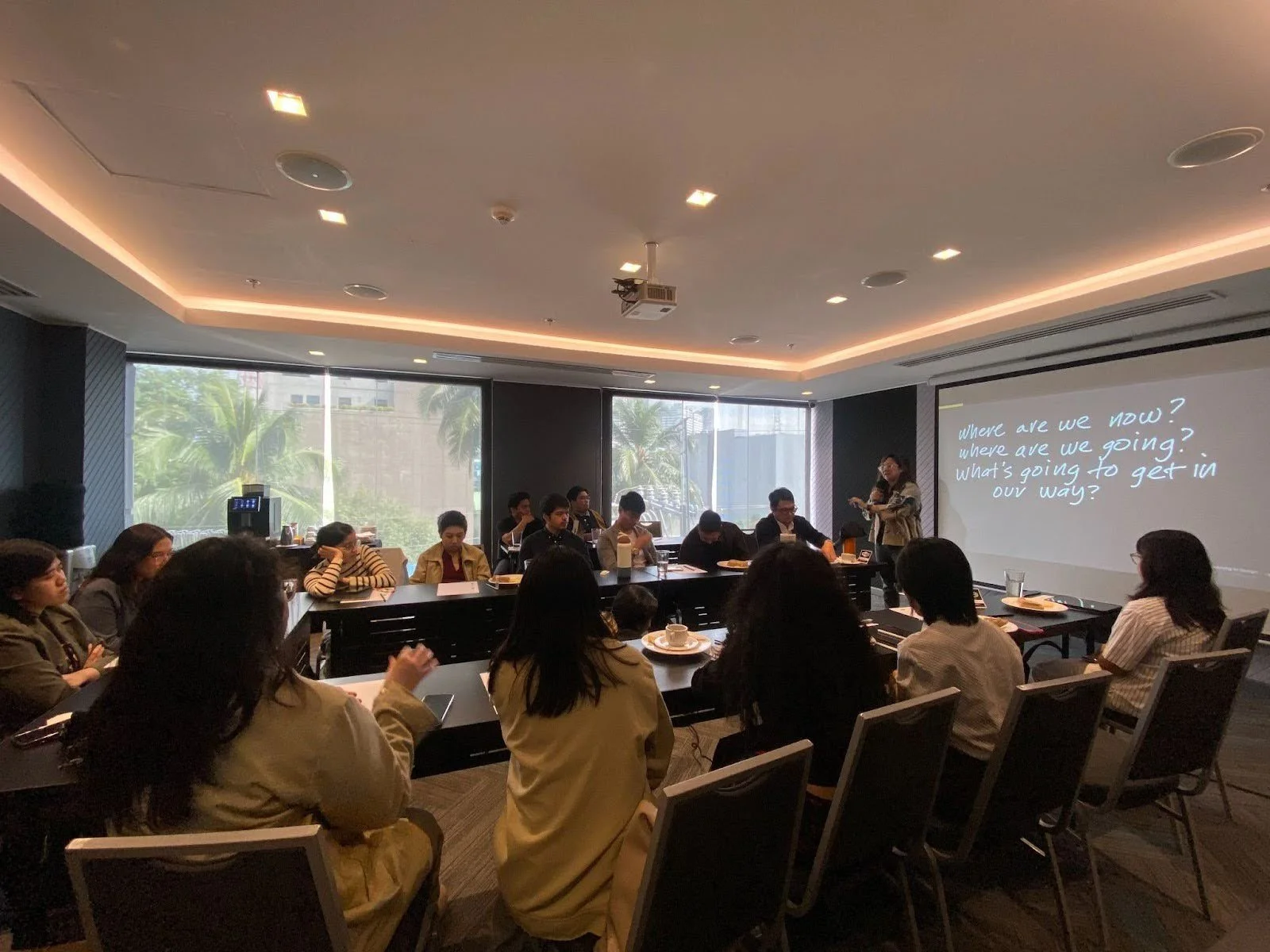
#TeamVCS Reflects on 2025, to shape VCS 2026.
Between strategy and results lies a layer that is easy to overlook: how work actually moves.
Who decides when a brief is clear enough to act on? What does “approved” mean at each stage? Where do projects typically stall, and why? How is quality evaluated when the person who set the standard isn’t in the room?
Without clear answers, execution defaults to memory, improvisation, and individual judgment. That works in short bursts. It does not scale. It cannot be fixed by hiring better people.
From our 2026 implementation plans, the clearest proposals focused on structure: standardizing how projects are scoped, building shared quality criteria that travel across accounts, and creating feedback loops that improve future work rather than just patch current problems. The underlying logic is simple: judgment shouldn’t have to fill in for systems that don’t yet exist.
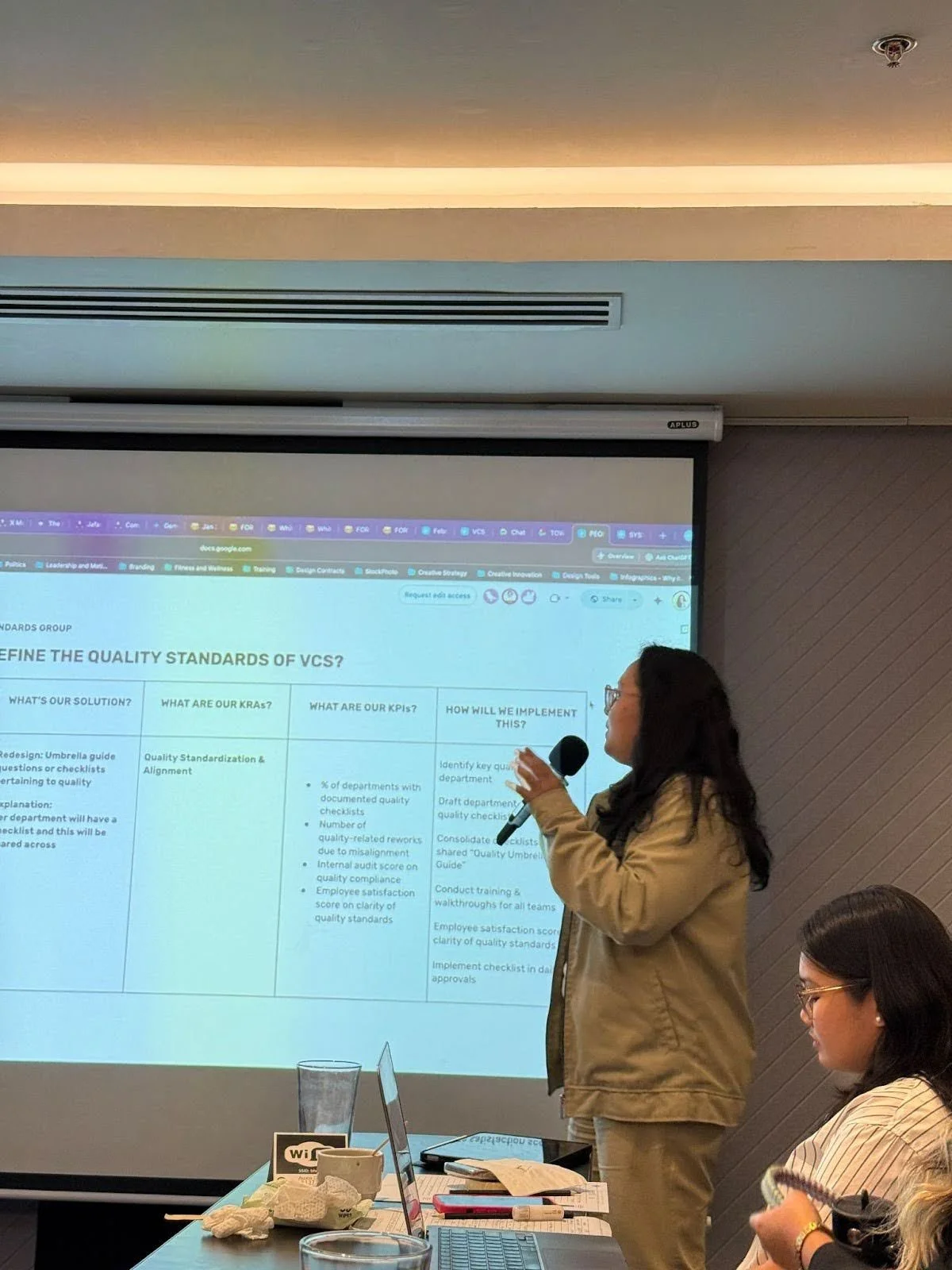
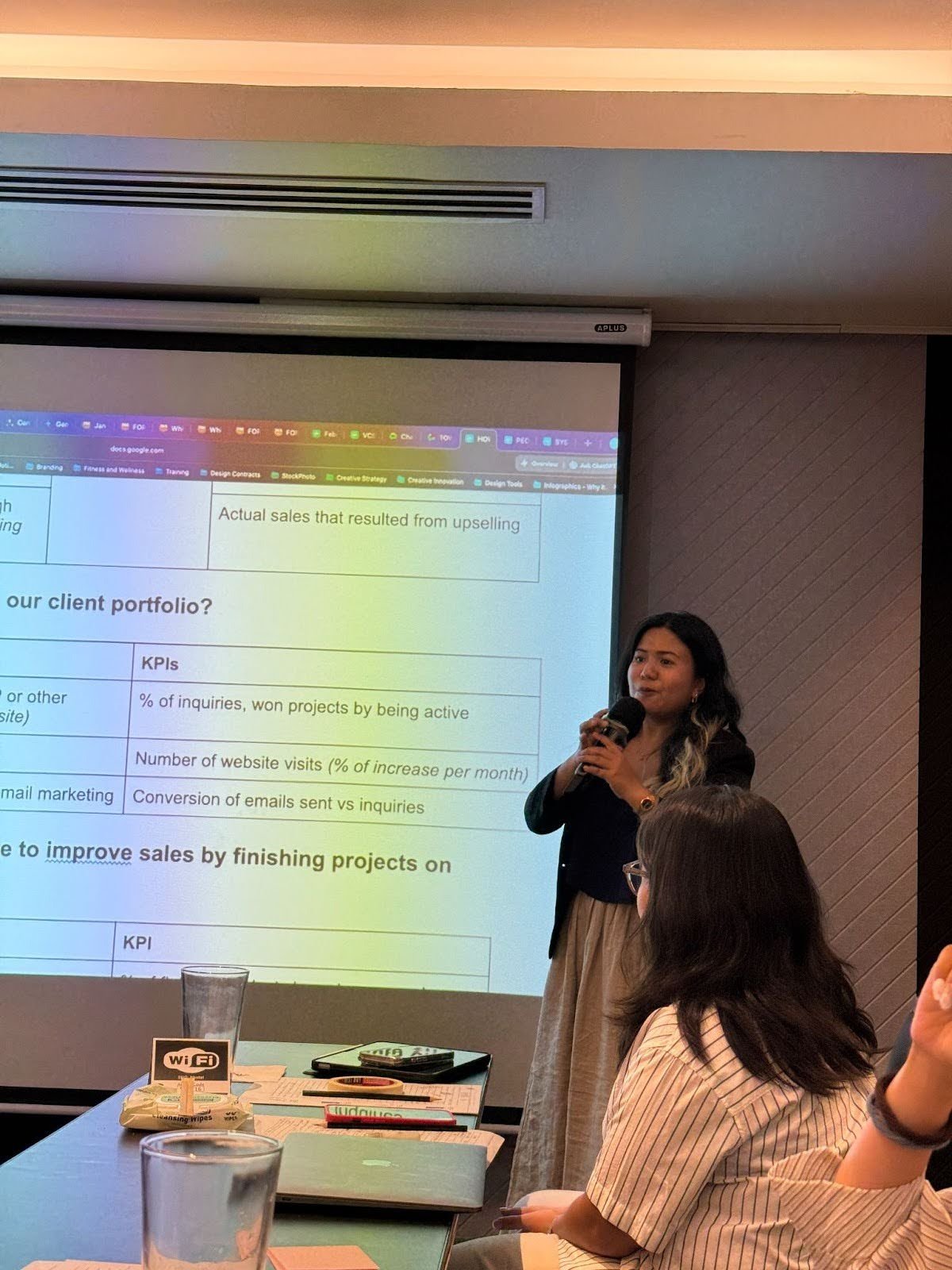
Teams present their roadmaps for 2026.
The Shift from Individual Talent to Organizational Capability
Agencies have historically operated on two forces: urgency and individual talent. Both are real, but neither is a reliable long-term foundation.
Urgency creates speed, but it is borrowed against sustainability. Talent produces standout work, but it introduces variability. In a market where clients expect consistent, measurable outcomes, variability is a liability — no matter how impressive the peaks.
The shift worth making is toward organizational capability: predictable output, repeatable processes, and delivery that doesn’t depend on who happens to be assigned.
Building this means standardizing some aspects of how the agency operates. When teams aren’t spending energy filling gaps, compensating for missing context, or redoing work because the quality bar wasn’t clear, creative energy goes where it belongs: into the thinking that actually moves the work.
What Is the VCS Creative Operating System?
The VCS Creative Operating System is a four-part internal framework for making agency output consistent and scalable, independent of who is assigned to a project.
1. Clear Inputs — Briefs that reduce ambiguity before any creative decision is made. These documents answer the questions teams would otherwise improvise answers to mid-project.
2. Defined Workflows — Explicit stages, decision points, and handoffs so everyone knows what moves a project forward and who owns each step.
3. Shared Quality Standards — A single definition of what good work looks like, applied consistently across all teams and accounts, regardless of which creative lead is assigned.
4. Feedback Loops — Systems that capture what worked and what didn't, and feed those findings into future projects rather than just resolving current ones.
When all four are in place, execution is driven by design.
What Are Clients Now Asking That Agencies Struggle to Answer?
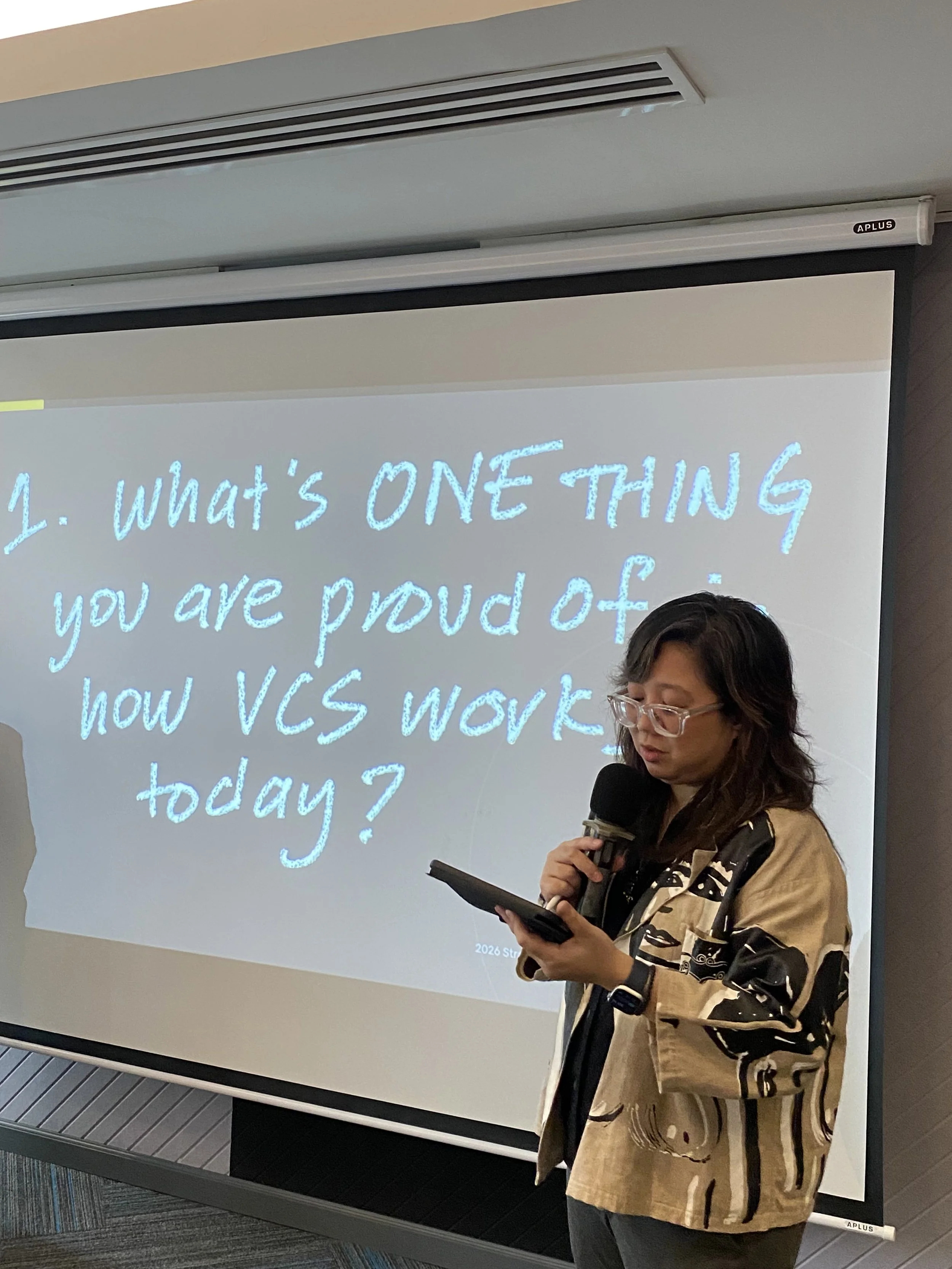
What’s one thing you are proud of with how VCS works today?
The production advantages agencies used to compete on—speed, volume, technical execution—have largely been commoditized. What used to differentiate is now a baseline expectation.
Clients are asking new questions: Can you deliver consistently? Can you scale without quality dropping? Can you operate with clarity we can plan around?
Agencies that cannot answer these questions will find themselves competing on price. Agencies that invest in how they operate, alongside what they produce, are building something more durable.
Creative excellence requires both strong ideas and the organizational capacity to deliver them consistently across projects, teams, and time.
The way an organization works is the advantage. Everything else is temporary.
✨ Build future-ready creative systems with us: https://vitalstrats.ph/contact-us
📲 Follow our work and insights across platforms:
Facebook: facebook.com/vitalstrats
LinkedIn: linkedin.com/company/vitalstrats-creative-solutions
Instagram: instagram.com/vitalstrats
X: x.com/Vitalstrats
YOU MAY ALSO LIKE
Vitalstrats Creative Solutions (VCS) is a creative agency based in Quezon City, Philippines. VCS specializes in content marketing, advertising, and video production. We use strategic creativity to help our clients grow their brands.
Facebook: https://www.facebook.com/vitalstrats
Instagram: https://www.instagram.com/vitalstrats
Twitter: https://twitter.com/Vitalstrats
Agency Reel: http://bit.ly/VCSReel2019